

Pepper, SoftBank’s friendly humanoid robot that emerged in 2014 with great expectations, which gradually faded away. Designed to interact with people naturally, capable of “reading” emotions and participating in activities both at home and in public spaces. Over the years, Pepper was present at
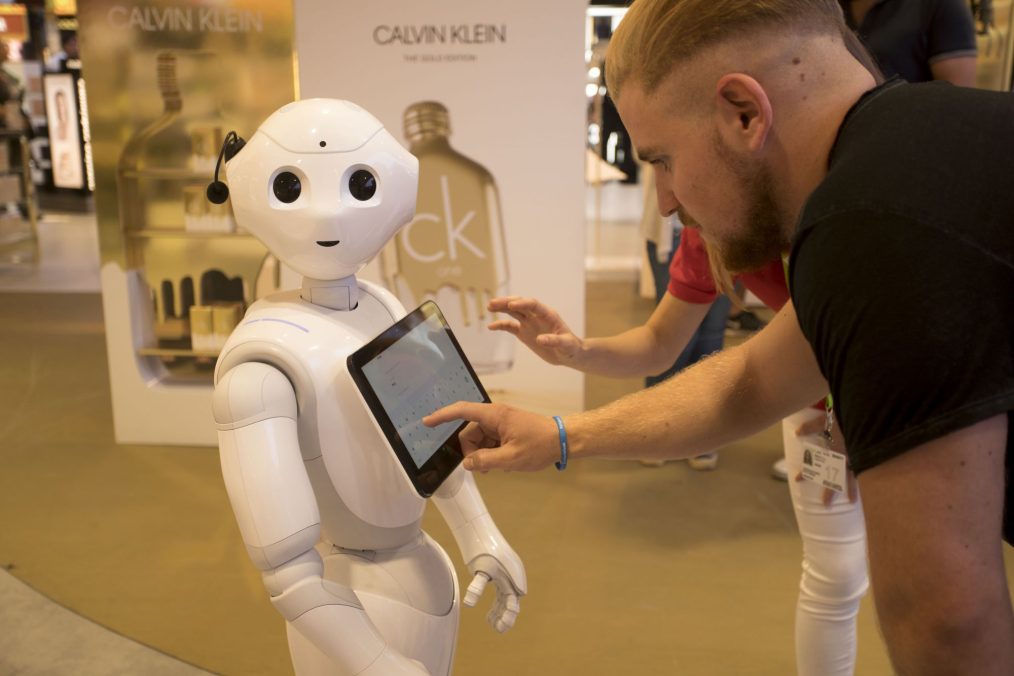
Despite its innovative features, Pepper did not achieve the expected commercial success. Largely due to its high cost, 20,000 euros, although with the possibility of renting it, it had additional expenses such as a monthly subscription. This situation contributed to SoftBank’s decision in 2021 to indefinitely pause production, a measure accompanied by a restructuring of its robotic business in Paris.
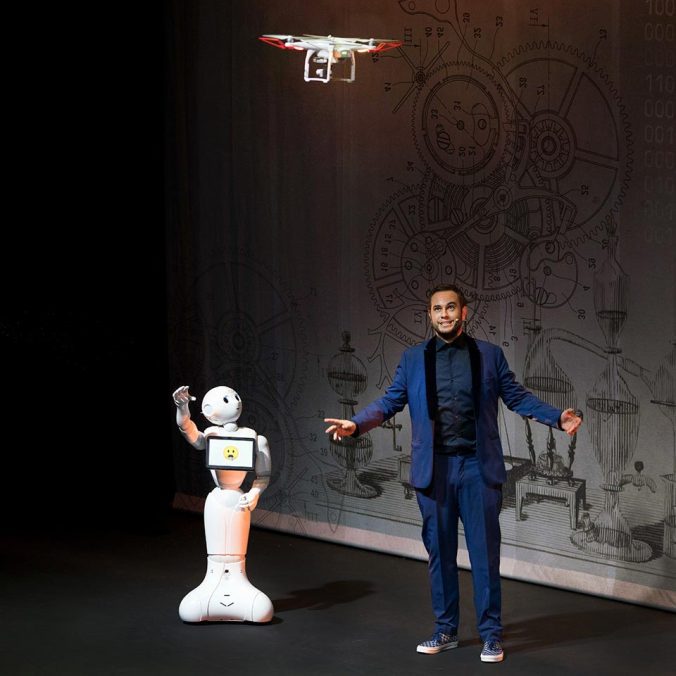
While SoftBank has not completely ruled out the possibility of reactivating production if sufficient demand arises, the years go by and the lack of news continues. During this time, they have also faced accusations of all kinds, such as that the robot does not have any type of integrated Artificial Intelligence, and without anyone to manage it, it is useless. Becoming an expensive paperweight of approximately 1 meter and 20 centimeters in height.
Marketing strategy or not, leaving aside the technical difficulties it presented, such as the lack of quick response to orders, the truth is that it was a clear example of the potential of humanoid robots to transform the way we interact with technology.


